Women’s Christian College
A Govt. Aided College
NAAC accredited with "B++" grade
Affiliated to the University of Calcutta
AISHE CODE : C11920
Estd. 19th July, 1945

Latest News
A Govt. Aided College
NAAC accredited with "B++" grade
Affiliated to the University of Calcutta
AISHE CODE : C11920
Estd. 19th July, 1945
Guest Faculty
Department of Economics is one of the earliest departments of the college with distinct recognition and reputation. The department is known for its compact class sizes and strong faculty mentorship. The earliest teachers whose contributions served as the building blocks of this department were Mr. Mohanlal Mozaria, Sri Saral Chatterjee, Ms.Agnes Rapaz, Rvd. Arunodoy Mondal, Mr. Binod Cyril Gomes and Dr. Dipayan Dutta Chaudhuri.
The career progression of the students after passing out of the college has been in wide ranging areas. Many students of this department are making further career advancements not only with Post –Graduation in different Indian Universities but also with higher studies in some demanding interdisciplinary areas like Business Management, Mass Communication, Information Technology and Film Studies. The students of this department have made their marks in the academic field also by occupying prominent positions in schools, colleges and by pursuing research and studies in reputed Foreign Universities as well. Besides, there are many departmental students who are securing prominent positions in the corporate sector. They are working in some of the leading Banks, Information Technology Sector, Economic Research Organizations and NGOs. Presently, the students are also making marks by entering into the public service after cracking national level competitive exams.
Motivating and preparing the students to face prospective challenges of the global competition and carrying out research with focus on the contemporary pertinent issues are at the heart of the teaching learning and research process of the department.
Students from diverse economic background enrol in our department. Considering this, we are committed to ensure equity and inclusion by adopting student centric endeavours.
Prepare the students for acquiring applied knowledge of economics to enhance their employability and entrepreneurship. Internship facilities are arranged for their training for Data Science programmes organised by specialised professional institutes.
NEW SUBJECT COMBINATIONS AVAILABLE WITH ECONOMICS HONOURS |
| Statistics |
| Journalism and Mass Communication apart from Mathematics |
| Political Science |
| Sociology and Education |
The Departmental library is an invaluable asset of the Department of Economics. The Department is really proud of having approximately 275 textbooks of Economics including 30 Bengali books, 12 text books of Environmental Studies and a handful of different issues of Reports and Journals.
The Department is also grateful to Prof. B.C. Gomes for his generous contribution in developing the fund for this unique property of the Department. Apart from the profuse support given to the Students with Economics as Honours/Major subject the library also serves the purpose of the students with Economics as a general/Minor subject as well. The students are overwhelmingly enthusiastic about going to the library and taking books from there for its convenient access and generous rules.
Objectives of the Courses Offered by the Department of Economics
The contemporary issues of gender inequality and environmental sustainability are also the key areas with which the students of Economics get acquainted through various courses of this programme like Development Economics and Environmental Economics, Sustainable Development. This programme aims to instil a kind of self-directed academic pursuits and a thirst for lifelong learning among the students through Summer Internships. They are also encouraged to opt for self-employment endeavours through the course like Entrepreneurship Development.
Varied and prolific career options are open to the students of Economics after successful completion of the programme.
After completing this programme, the students are expected to develop a basic understanding of theoretical concepts in economics, exhibit a basic understanding of the economic propositions and learn to utilise their proper applications and exceptions. Moreover, this programme is designed to enrich their rational thinking and to help them interpreting the complex economic problems of daily lives with more dynamism.
SEMESTER 1
Course Outcome
Course Outcome
Course Outcome
Course Outcome
Course Outcome
Students will learn economic terms and concepts that impact our daily lives and appear in popular press. Some of these examples are scarcity, trade-offs, opportunity costs, markets, economy, specialization, monopolistic behaviour, monetary and fiscal policies, bank performance, inflation and so on. Students will also learn about the method of how economics- how economists think and how they make theories to understand and solve human issues.
SEMESTER 2
Course Outcome
Course Outcome
Course Outcome
Course Outcome
Course Outcome
---x---
| SL NO | SUBJECT | VIEW / DOWNLOAD |
|---|---|---|
| 1 | CCF Full Economics Syllabus 2026 | |
| 2 | Undergraduate Economics Syllabus (CBCS) | |
| 3 | Undergraduate Economics Syllabus (CCF) |
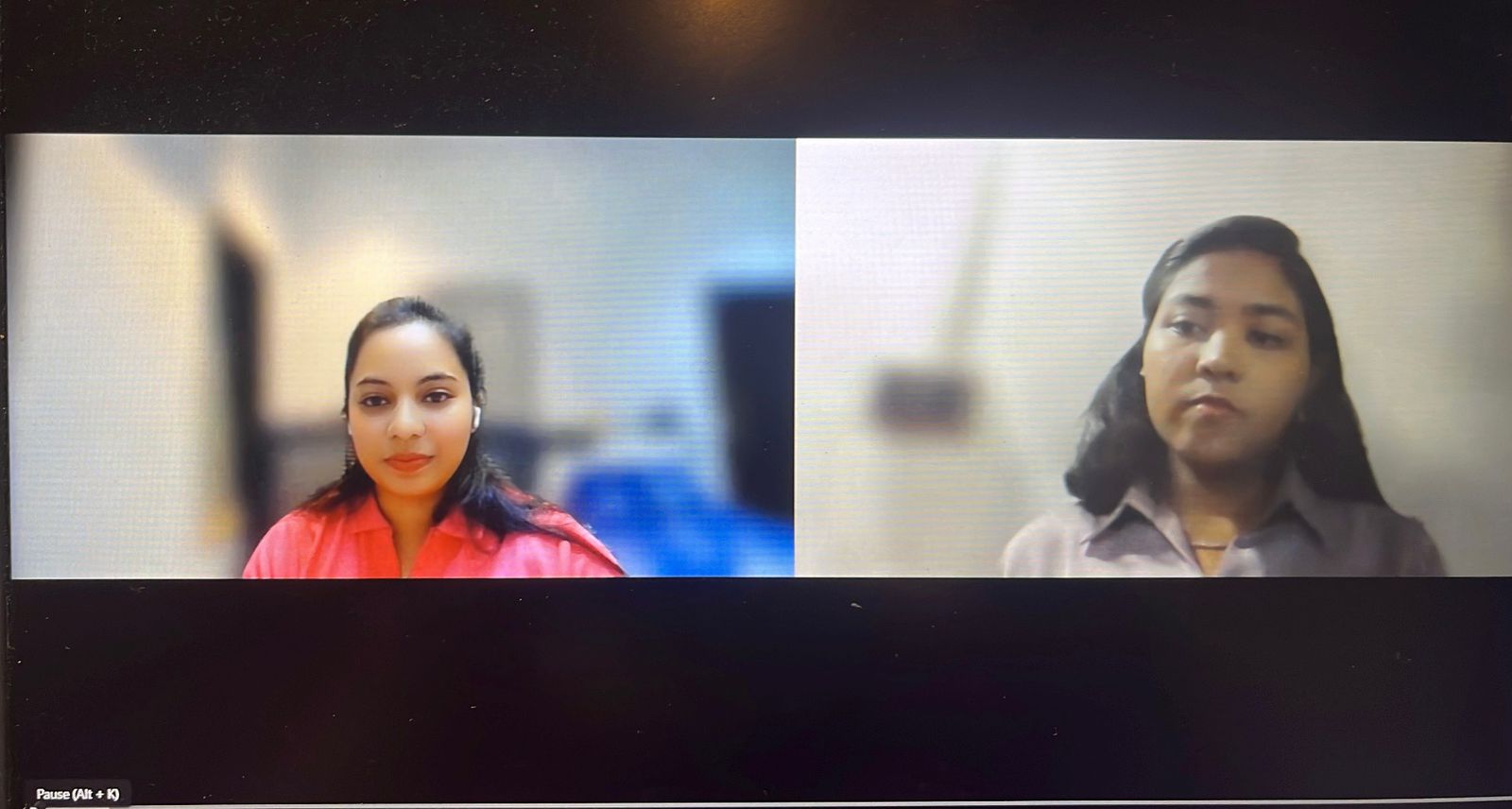
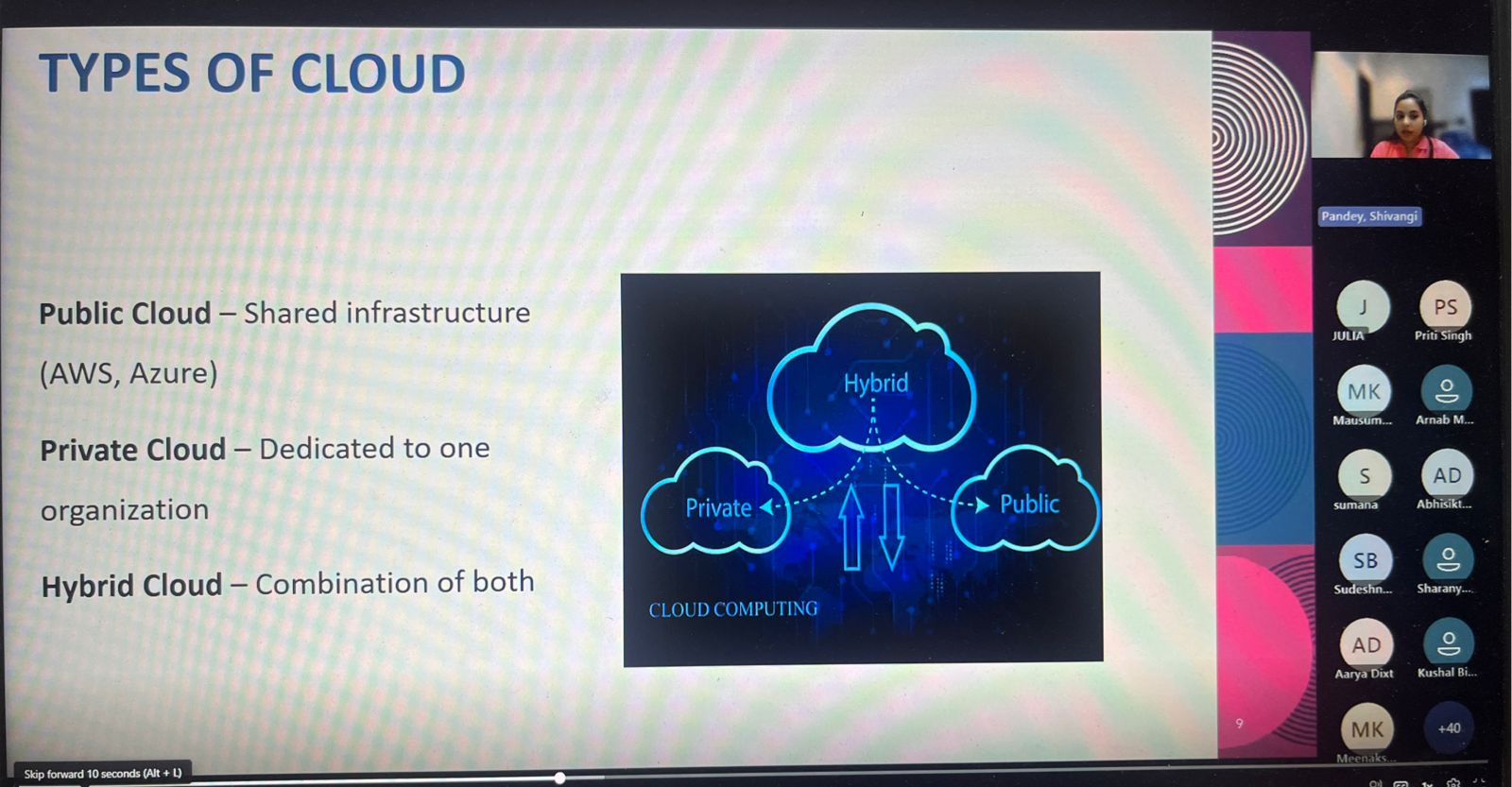
The Department of Economics has organized an Online Career Guidance Session on ‘Cloud Computing Beyond Technology: Economics, Finops and Careers’ in collaboration with the Department of Economics, Loreto College, Kolkata on 27th March , 2026 for the advantage of the students. The participating students of both the colleges were immensely benefitted and received a better knowledge for streamlining their thoughts for career choices from the programme.


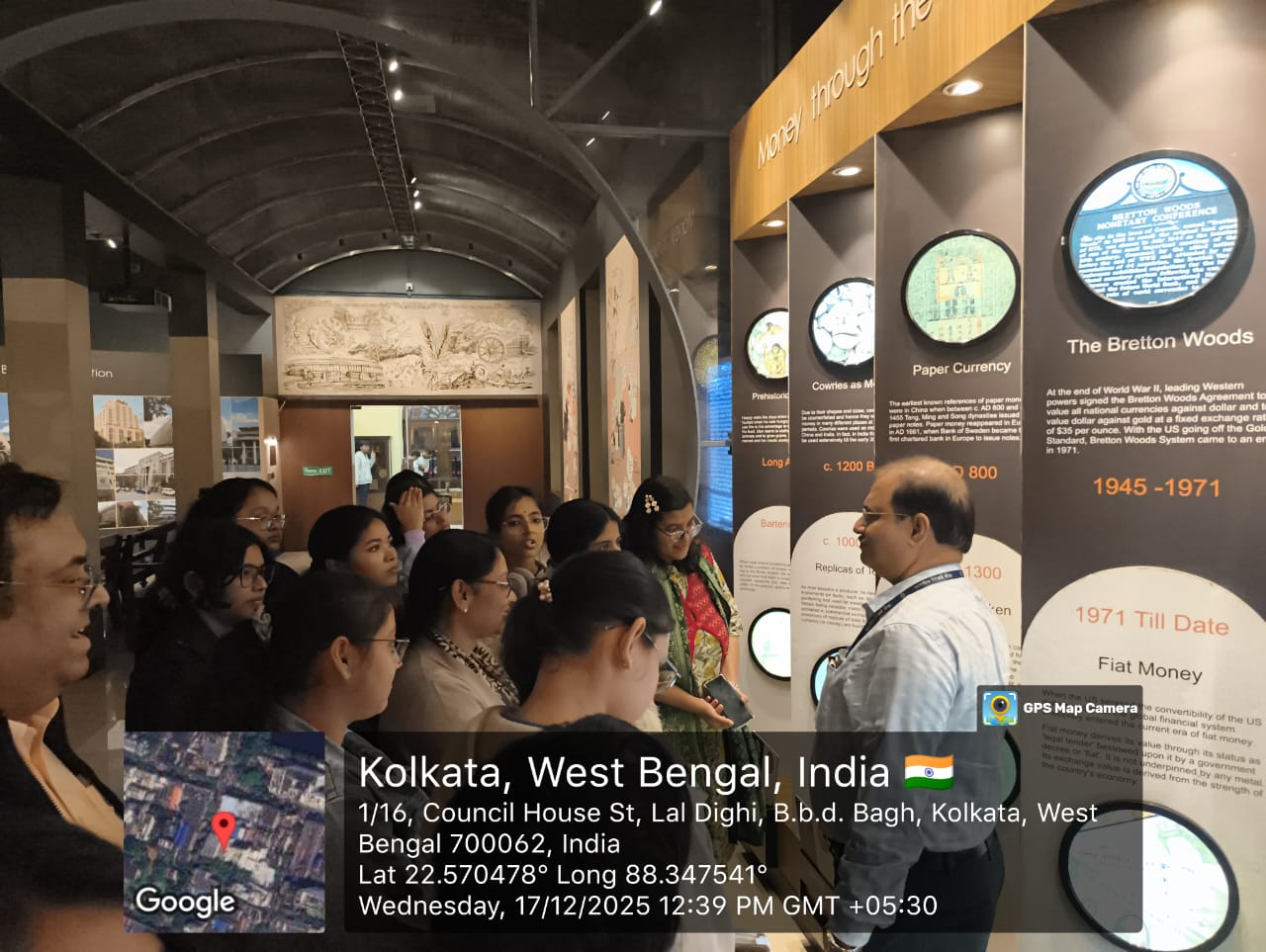
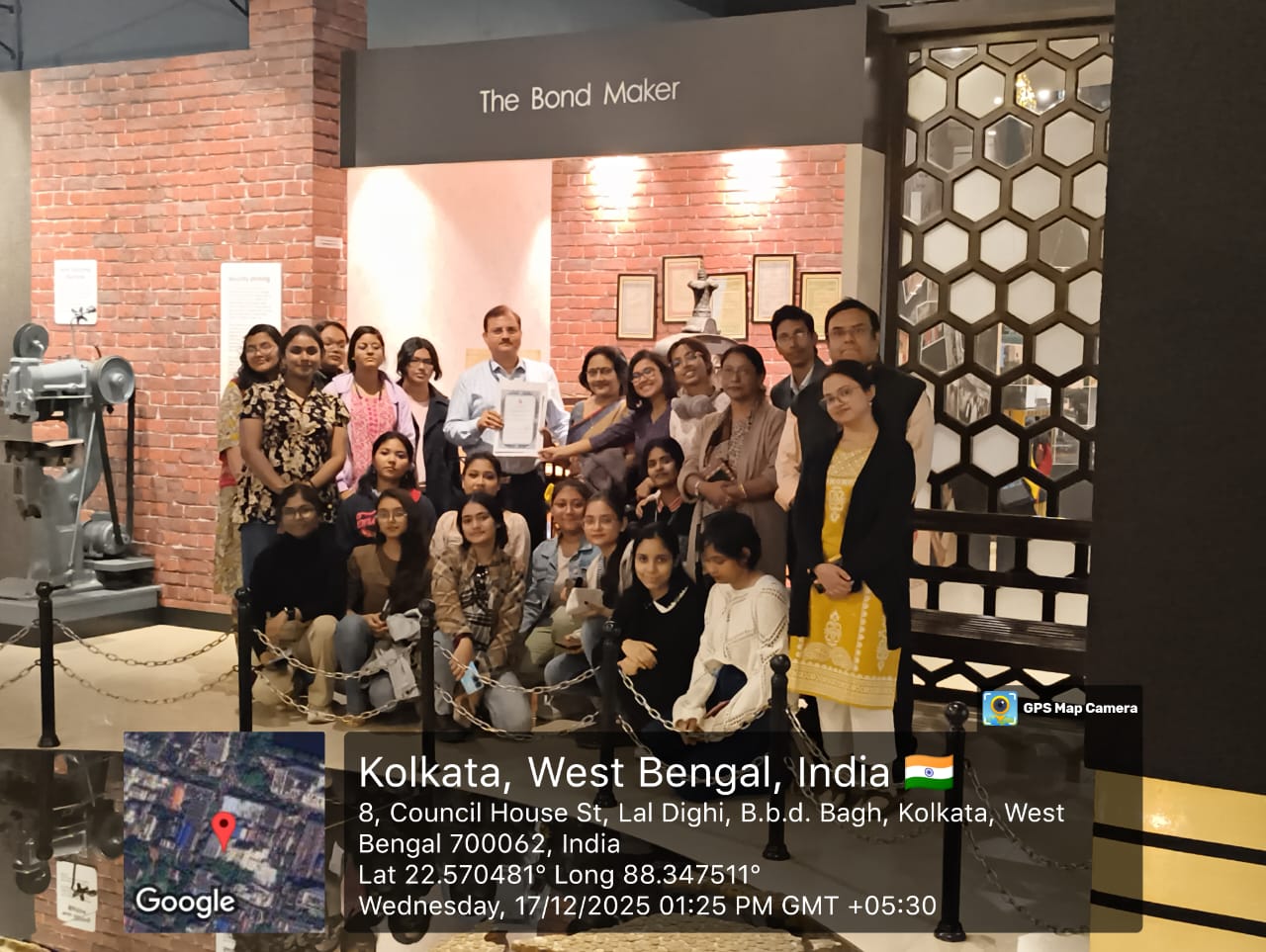
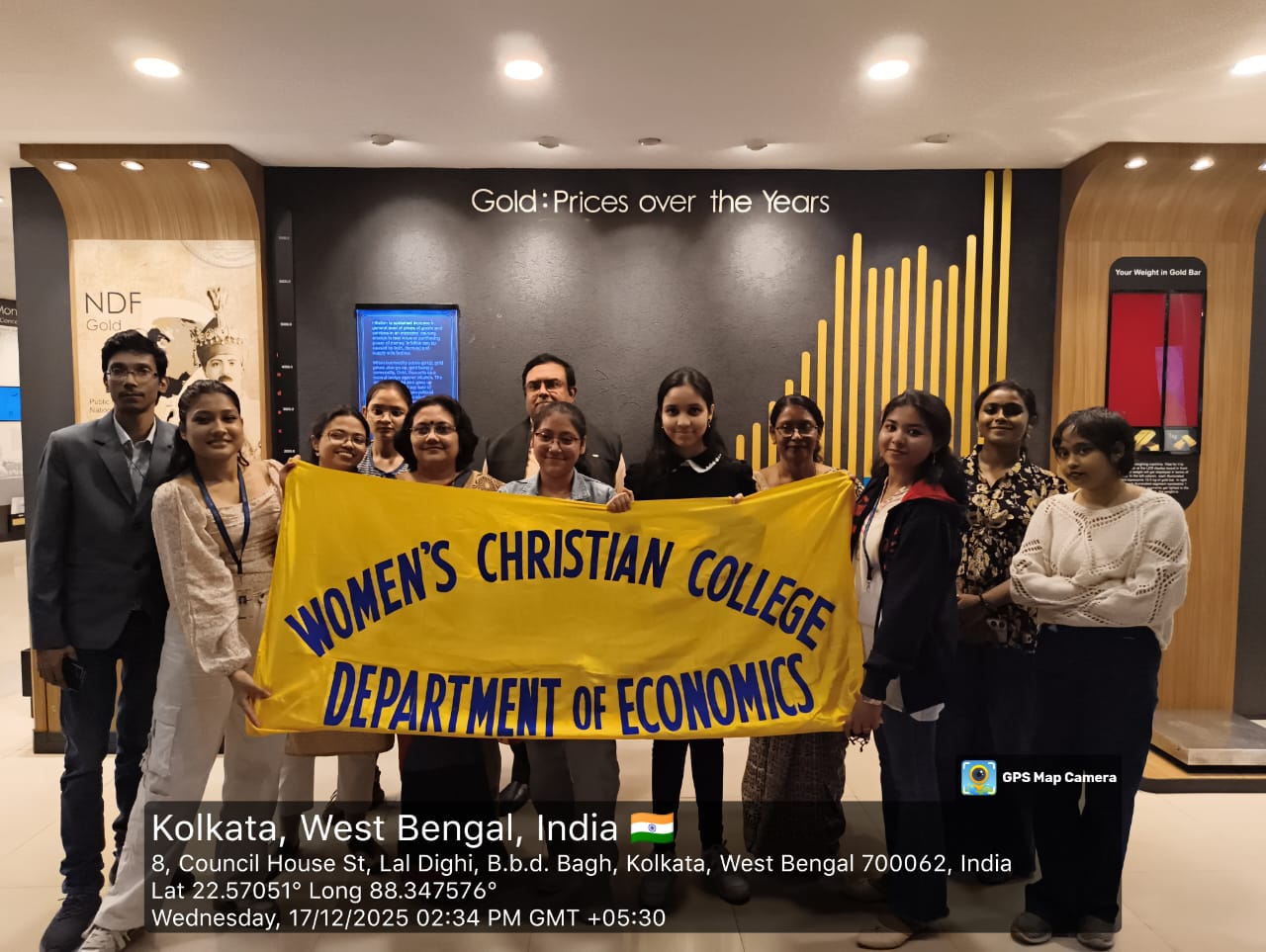
An educational excursion to the Reserve Bank of India (RBI) Museum, Kolkata, was organized by the Department of Economics, Women’s Christian College in collaboration with the Department of English on 17th of December, 2025 to enhance students’ practical understanding of India’s monetary and banking system. The RBI Museum is located in the historic RBI Building on Council House Street, Kolkata. We the students accompanied by our teachers departed from the college premises by the bus at 11AM.On arrival, we were warmly welcomed by the museum staff, and the Director of the museum who briefed us about the purpose of establishing the museum and guided us through the various galleries. The museum is well-organized and uses modern audio-visual aids, models, and displays to explain financial concepts easily. Our guide explained the function and significance of the RBI as the central bank of India and its role in issuing currency, controlling inflation, regulating the banks and thereby sustaining the stability the financial system. The galleries showcased the evolution of money in India, starting from barter systems and ancient coins to modern paper currency and digital payments. Rare coins, old banknotes, currency printing tools, different currencies around the world inculcated curiosity in the students’ minds. The exhibits also emphasized the importance of financial literacy, savings, and the responsible banking habits with the history of banking in India and the establishment of RBI in 1935. Students actively asked questions, and the guides patiently clarified our doubts. The excursion concluded by 2PM with certificates of participation and group photos accompanied by some refreshments. Overall, the educational excursion to the RBI Museum, Kolkata, was a valuable learning experience. It deepened our understanding of economics and banking in a practical and engaging way.

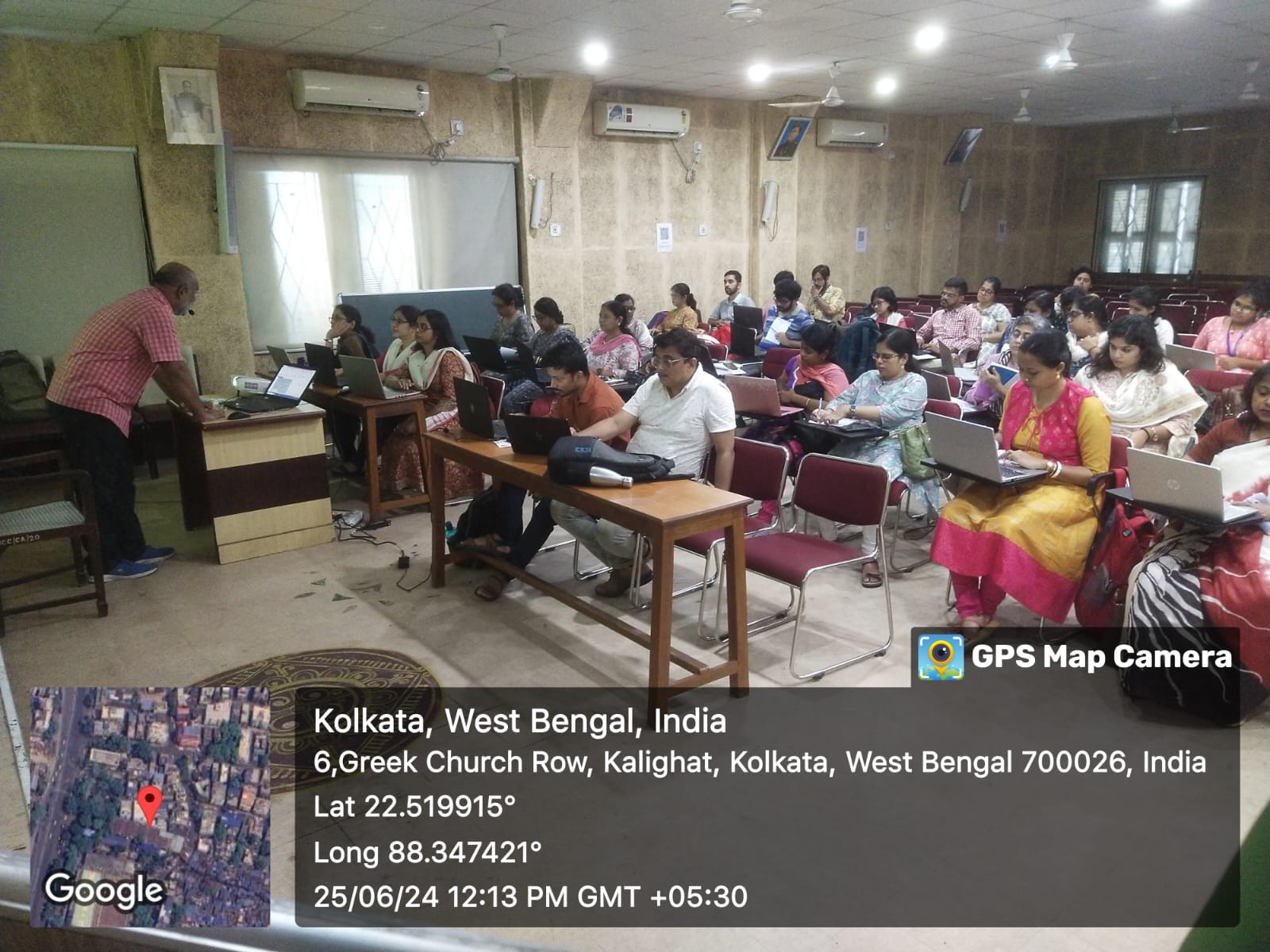
Department of Economics, Women’s Christian College has organized a One-day Workshop on Microsoft Excel, following the CCF Syllabus of the University of Calcutta, in collaboration with Under Graduate Board of Studies in Economics, University of Calcutta on 25th June, 2024 at the college auditorium. This workshop has been organized keeping in view the need for orienting the Economics Faculty of Colleges affiliated to the University of Calcutta to the specific parts of the new syllabus and the teaching methodology of newly designed course curriculum of ‘MICROSOFT EXCEL (Advance)’ that has been introduced in the four year degree course syllabus of economics. The workshop also benefitted the students of the department.

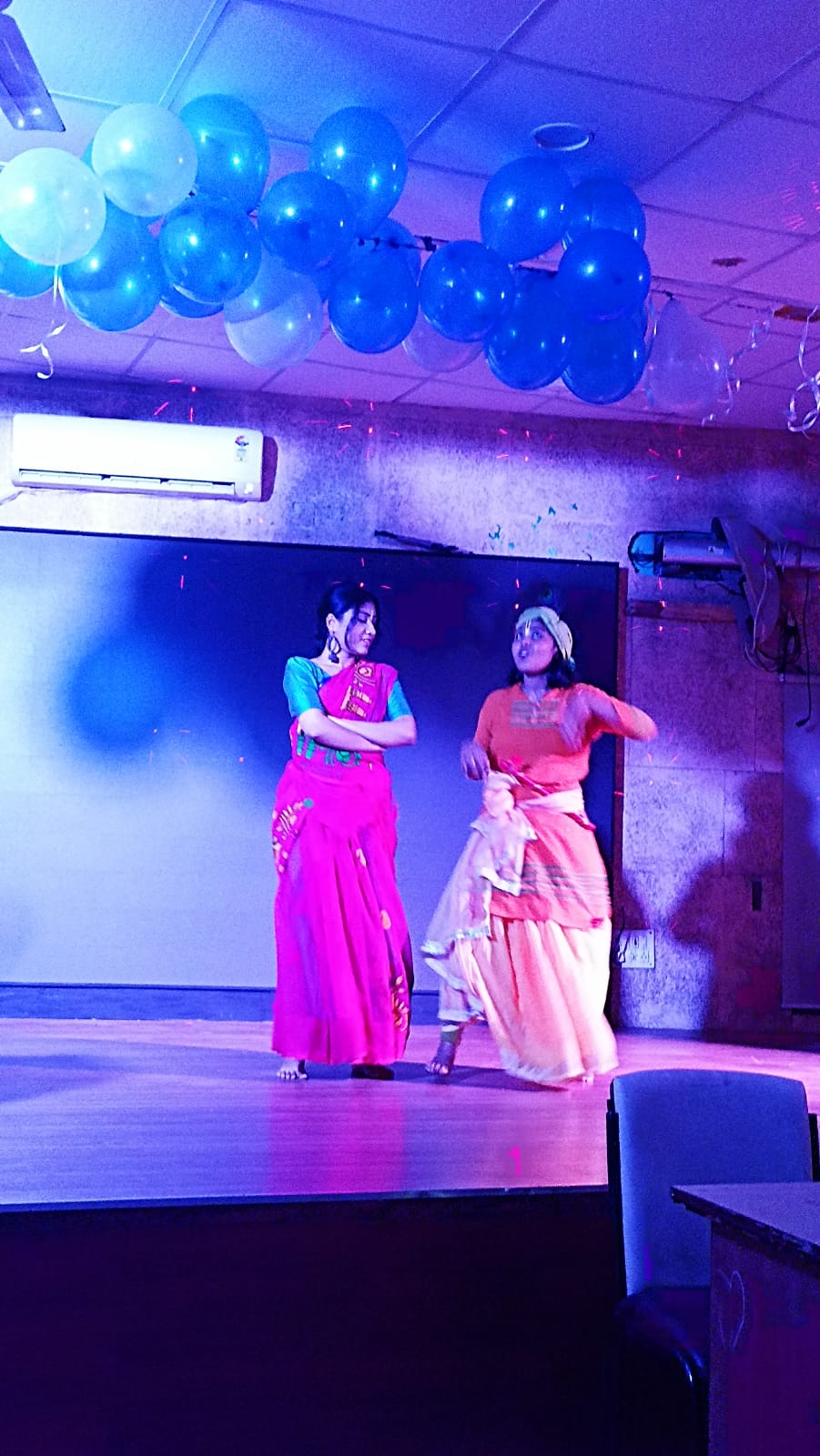
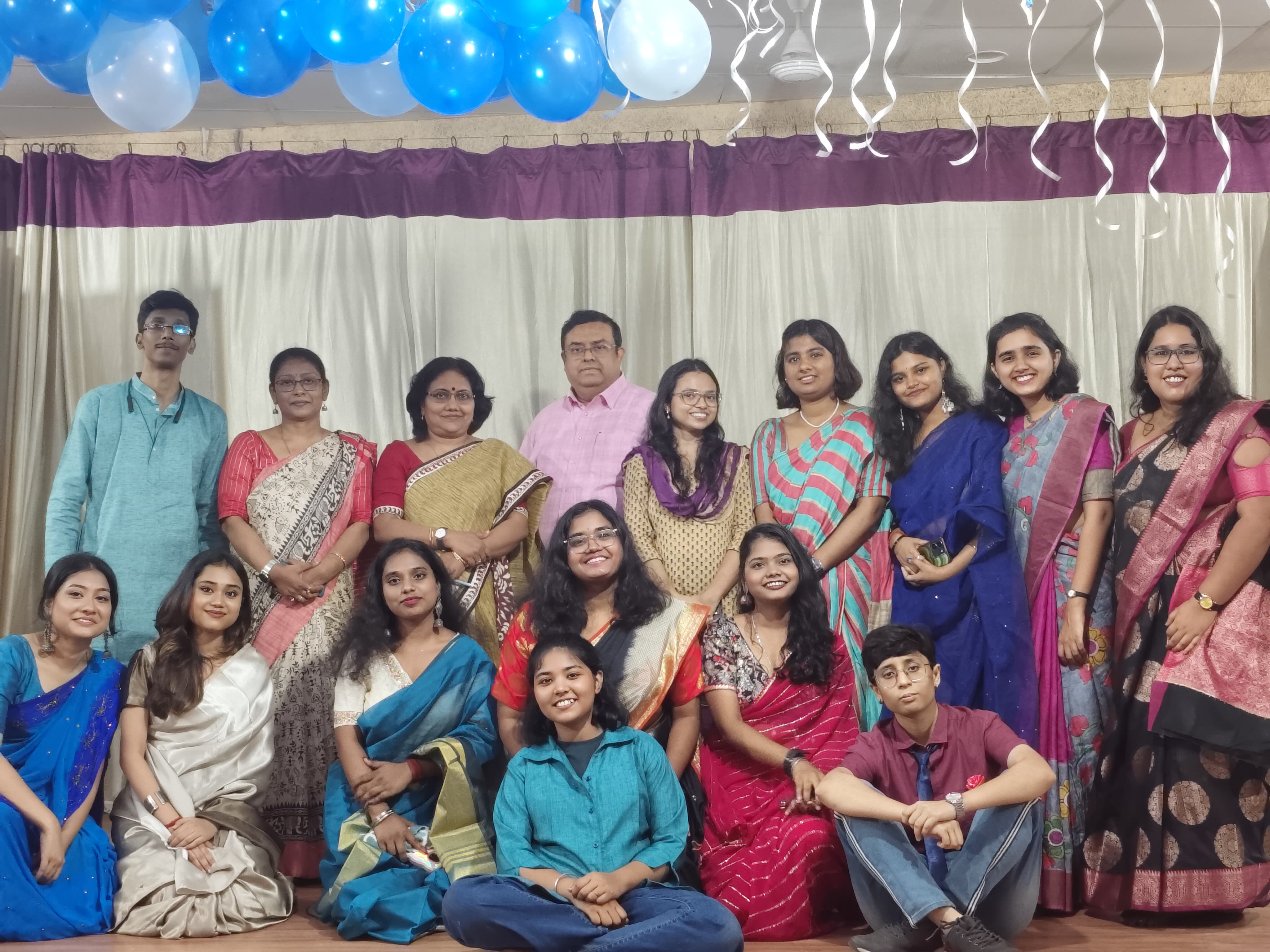
The present students have organized a beautiful programme to bid farewell to the outgoing batch of students last year after the successful completion of the University examinations of the later. The programme was organized on 14th July, 2025 with great enthusiasm and good wishes.


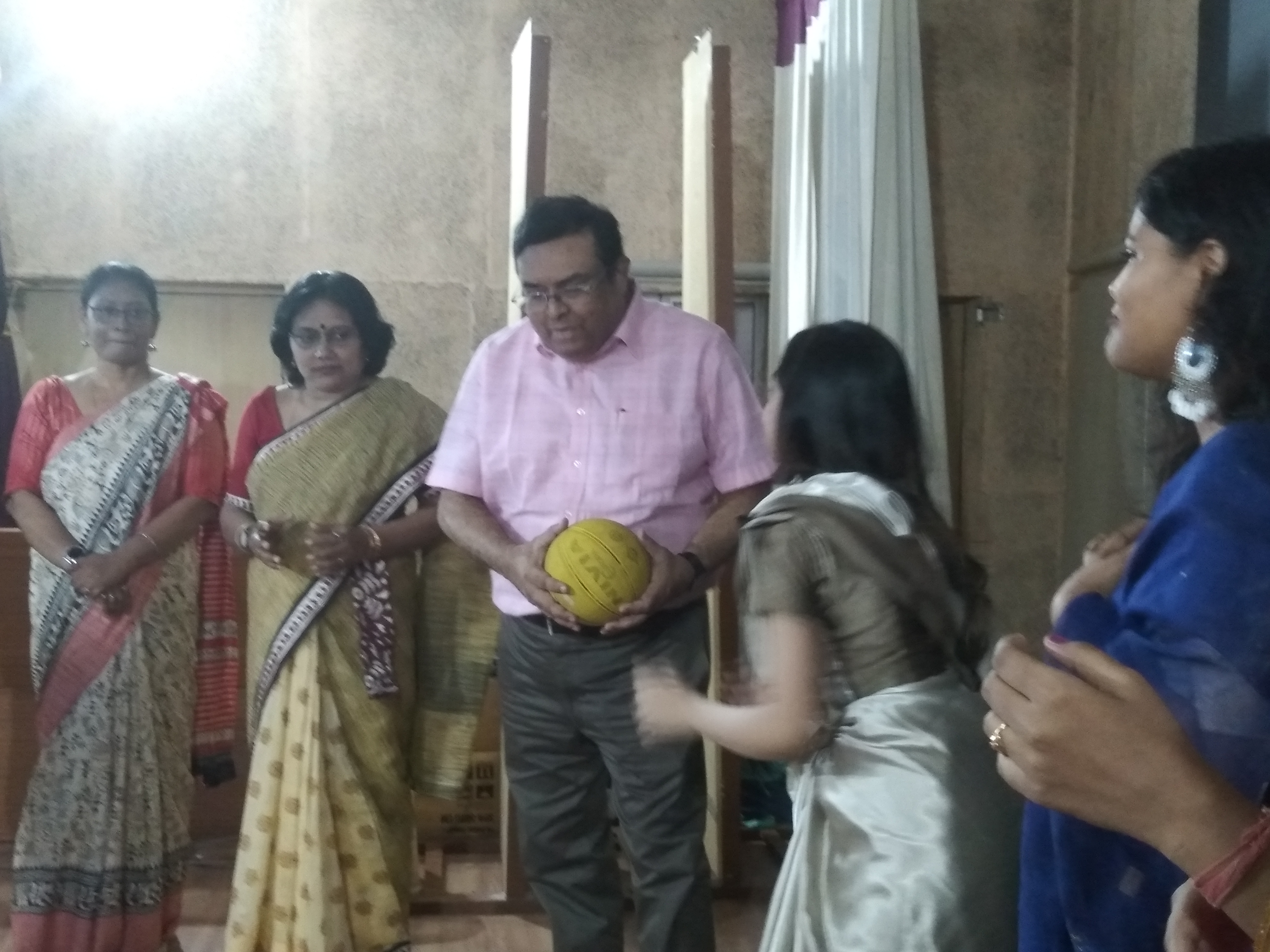
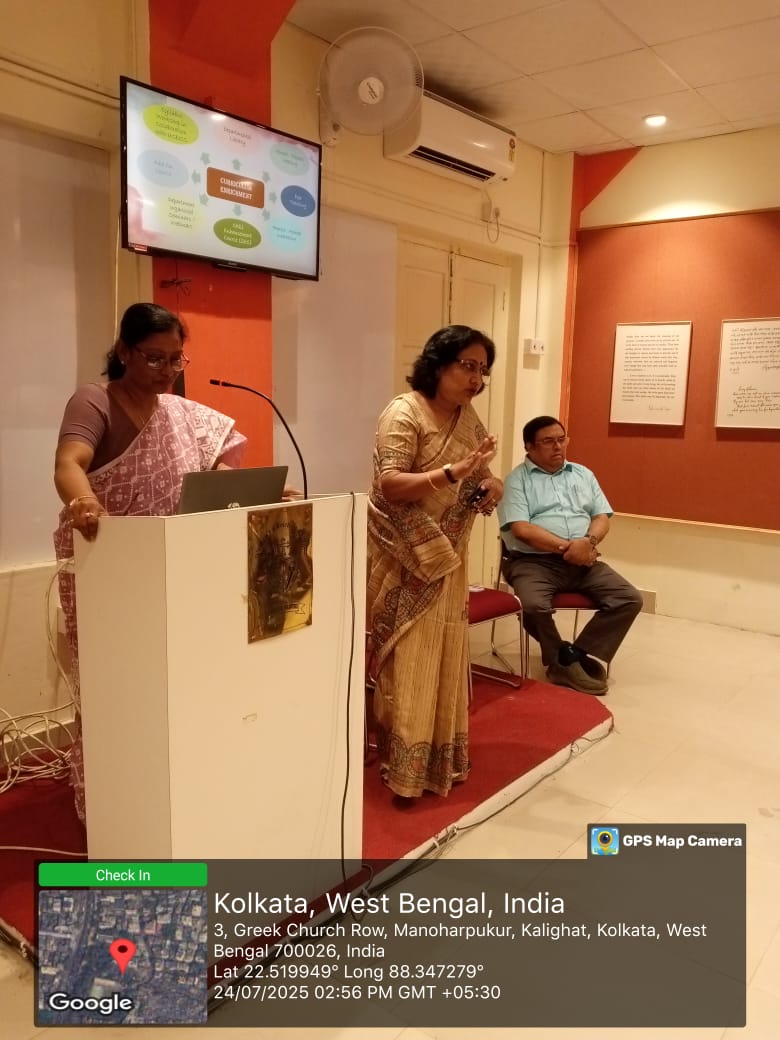
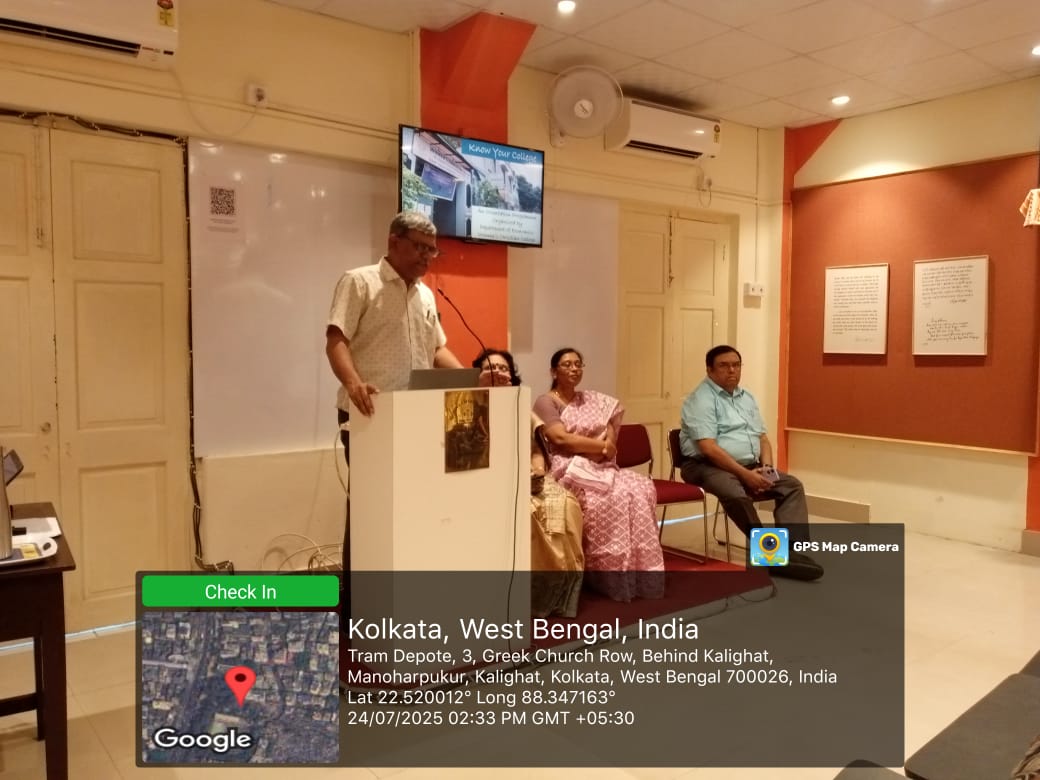
The Department of Economics have organized an Orientation Programme for the newly admitted students on 24th of July, 2025 . The parents and the young minds were present with great enthusiasm in the program titled “Know Your College”.


Reserve Your Spot - https://forms.gle/s8WoUx2UkRfyxaha7
The Department of Economics organizes seminars, special lectures and Students’ Seminars for the overall development of its students.
⛬ 2017-18
⛬ 2016
ADD-ON COURSE ON DEVELOPMENT STUDIES
REPORT
DAY 1 (23.05.2023)
The Add-on course on Development Studies was inaugurated on 23rd May, 2023 at 12 noon, with magnificence with the presence of more than 60 students of the Departments of Economics of three reputed colleges of Kolkata namely Women’s Christian College (the host of the inaugural session, here in after WCC), St. Paul’s Cathedral Mission College (here in after SPCMC) and Moulana Azad College (here in after MAC), the faculty members of the Departments of Economics of the three colleges and the guests of honour. Dr. Mausumi Kar, Associate Professor of Economics, WCC conducted the session with the august presence of the Hon’ble Principal Madam, Prof. (Dr.) Ajanta Paul. Dr. Kar mentioned the purpose and objective of conducting such course and thanked the faculty members of the other colleges for their assistance in designing the course curriculum for this well-shaped course on development studies to be offered in a blended mode with a vision to enrich the participants on diverse aspects of development studies without making them burdened with the course work.
The welcome address was then offered by the Principal Madam of WCC, without whose all round support, motivation and inspiration, it would not have been possible to organize the event in such a stature. Dr. Jaya Mukherjee, Head of the Department of Economics, St. Paul’s C. M. College and Shri Ujjwal Chattopadhyay, Associate Professor of Economics, Maulana Azad College also addressed the audience. The Head of the Department of Economics of Women’s Christian College, Dr. Sudeshna Biswas introduced the Chief guest of the inaugural session, Prof. Soumyen Sikdar, the extraordinary teacher and mentor, formerly attached to the Department of Economics, University of Calcutta and Indian Institute of Management, Calcutta and invited him to offer his inaugural lecture. It was really an amazing and thought-provoking lecture on ‘Rise and Fall of Globalisation and India’ , offered by Prof. Sikdar that had kept the audience spell bound for about an hour. The participants and the faculty present there were grateful to Prof. Sikdar for offering such splendid food for thought that actually marked the beginning of an immensely interesting course work to be continued for a month’s span. After the inaugural lecture, another senior faculty member of WCC, Dr. Arnab Majumdar offered his vote of thanks and announced the end of the first part of the inaugural session.
The second session of the day started with the introduction of the other guest of honour, Dr. Simantini Mukhopadhay, Assistant Professor of Economics, IDSK by Dr. Arnab Majumdar. Dr. Mukhopadhyay presented a very well –thought lecture on ‘Human development and Inequalities in It’. The presentation encompassed different income-based and non-income based parameters of Human Development and indicators of inequality and was truly inspiring for the students willing to study Development Studies, especially Development Economics.


DAY 2 (24.05.2023):
Two sessions each for one and half hours duration was scheduled for the 2nd day of the Add-on course at Women’s Christian College, Kolkata from 12 noon onwards. The speaker of the first session was Dr. Mausumi Kar, Associate Professor of Economics, WCC and her title of talk was ‘Trade and Development: Some Contemporary Theoretical Issues’. She elaborated special issues of international trade ranging from traditional to contemporary framework including virtual trade with Time-Zone differences, outsourcing of services and other interesting issues in the backdrop of digital revolution. Students took ample curiosity in the conceptual ideas and examples shown and participated in the discussion with great enthusiasm and attention. Then Dr. Arnab Majumdar, Assistant Professor of Economics, WCC spoke on ‘Development Issues in Indian Industry’. Students were very much cooperative and claimed that they took interest in the sessions.


DAY 3 (27.05.2023):
The lectures on the third day of the course was designed to be offered in the online mode and was arranged by WCC. Two consecutive lectures, each for one and half hours duration were offered on Demographic studies. The first speaker was, Dr. Senjuti Saha, Associate Professor and HOD, Department of Geography, WCC and the title of her presentation was ‘Demography – A Key to Development’. The Second speaker was Dr. Sudeshna Biswas, Associate Professor and HOD, Department of Economics, WCC and she presented on ‘Demographic Dividend and Youth Unemployment’. The presentations were very lucid, receptive to the young pupils and indicative of a very important path of development, namely the demographic transitions, yet they differ in the approaches of stride, the former being the Geographer’s perception while the later is precisely from a much more technical and economic point of view.


DAY 4 (31.05.2023):
The fourth class of this add-on course was a three-hour practical session that was held in the computer lab of St. Paul's Cathedral Mission College on 31st May, 2023. This class was attended by 56 students. The session was conducted by Dr. Suparna Gangopadhyay, Associate Professor & Head, Department of Economics, Surendranath College for Women.
 The topic of her session was “Application of STATA on Economic Data: An Introductory Approach”. In this session, the students were given a hands-on training on handling statistical data for analyzing different issues of development studies using the statistical software STATA. The students thoroughly enjoyed this session as they learnt the application of different economic theories to real life data. Dr. Gangopadhyay addressed all the queries of the students and the session extended well beyond the scheduled hours.

DAY 5 (09.06.2023):
The fifth class was held on 9th June in the Sesquicentenary Seminar Hall of St. Paul's Cathedral Mission College from 11 am to 2pm. Dr Shirsendu Mukherjee, Associate Professor in the Department of Economics of St. Paul’s C. M. College, conducted this three-hour session on “Environment and Development”. The session was attended by 33 students. The attendance was relatively low in this session compared to the other sessions because the Semester 4 results were published on that day and the students were very tensed on account of that. However, those who attended had a highly interactive session. This session gave the students an exposure to some burning environmental issues affecting the world today and efforts made at the international level to deal with these problems.
DAY 6 (12.06.2023):
The Department of Economics, Maulana Azad College was one of the collaborators of the Add-On Course on Development Studies initiated by the Department of Economics, Women’s Christian College, Kolkata; the course was held during May-June, 2023.
As a collaborating institution, Maulana Azad College, Kolkata conducted the three hours’ lecture session delivered by Shri Ujjwal Chattopadhyay, Associate Professor of Economics, Maulana Azad College on 12th June, 2023. Shri Chattopadhyay delivered his lectures in the Seminar Room of the college; the topic of his lecture was “Cultural Studies and Thoughts of Economic Development”.
DAY 7 (14.06.2023):
The seventh class of the course was held online from 10.45 am to 2pm with a 15 minutes break from 12.15 to 12.30. Because of the extreme heat and humidity, students were finding it difficult to commute and so this class was held on the Google Workspace platform. The first one and half hour session was conducted by Dr Jaya Mukherjee, Associate Professor and Head, Department of Economics, St. Paul’s C. M. College. The topic of her lecture was “The Social Route to Development”. She gave the students an idea about the crucial role played by social sectors in the development process of nations. The second lecture, also of one and half hour duration, was delivered by Dr Sudeshna Mitra, Assistant Professor in the Department of Economics of St. Paul’s C. M. College. Her topic was “Trade and Development”. She introduced the students to the impact of trade liberalization on the formal and informal sectors of developing countries.
DAY 8 (21.06.2023)
On the eighth day of the Add-on Course there were two online sessions of duration one and half hours each conducted by Maulana Azad College. In the first session Dr. Madhumita Sen, Associate Professor and Head of the Department of Sociology, Government General Degree College for Women, Ekbalpore, Kolkata delivered her lecture on “Women in the Context of Development: the Myth and the Reality. The speaker of the second session was Dr. Kingshuk Sarkar, Associate Professor and Head of the Department of Economics, Goa Institute of Management. His deliberation was on “The State of Labour Market in India”.


DAY 9 (27.06.2023)
Prof. Santanu Ghosh delivered the concluding lecture of the course on June 21, 2023; the theme of his lecture was “Institutional Issues in Agrarian Development” and the session was conducted in the Seminar Room of Maulana Azad College, Kolkata.


Concluding Day (28.06.2023):
The Add-on course on Development Studies was completed on 28th of June, 2023 at 12 noon with splendor as all the participants were in high spirits. The Principal of Women’s Christian College, Prof. (Dr.) Ajanta Paul has addressed the participants, encouraged them and thanked them for successfully completing this 30 hour long course. The two senior professors Dr. Indrani Banerjee of St. Paul’s Cathedral Mission College and Professor Santanu Ghosh of Maulana Azad College also addressed the audience. Dr. Sudeshna Biswas, Head of the Department of Economics, Women’s Christian College introduced the chief guest of the Valedictory Session, Prof. Achin Chakraborty, Professor and Former Director, Institute of Development Studies Kolkata. Prof. Chakraborty explained the importance and relevance of development studies in today’s Social Science curricula.
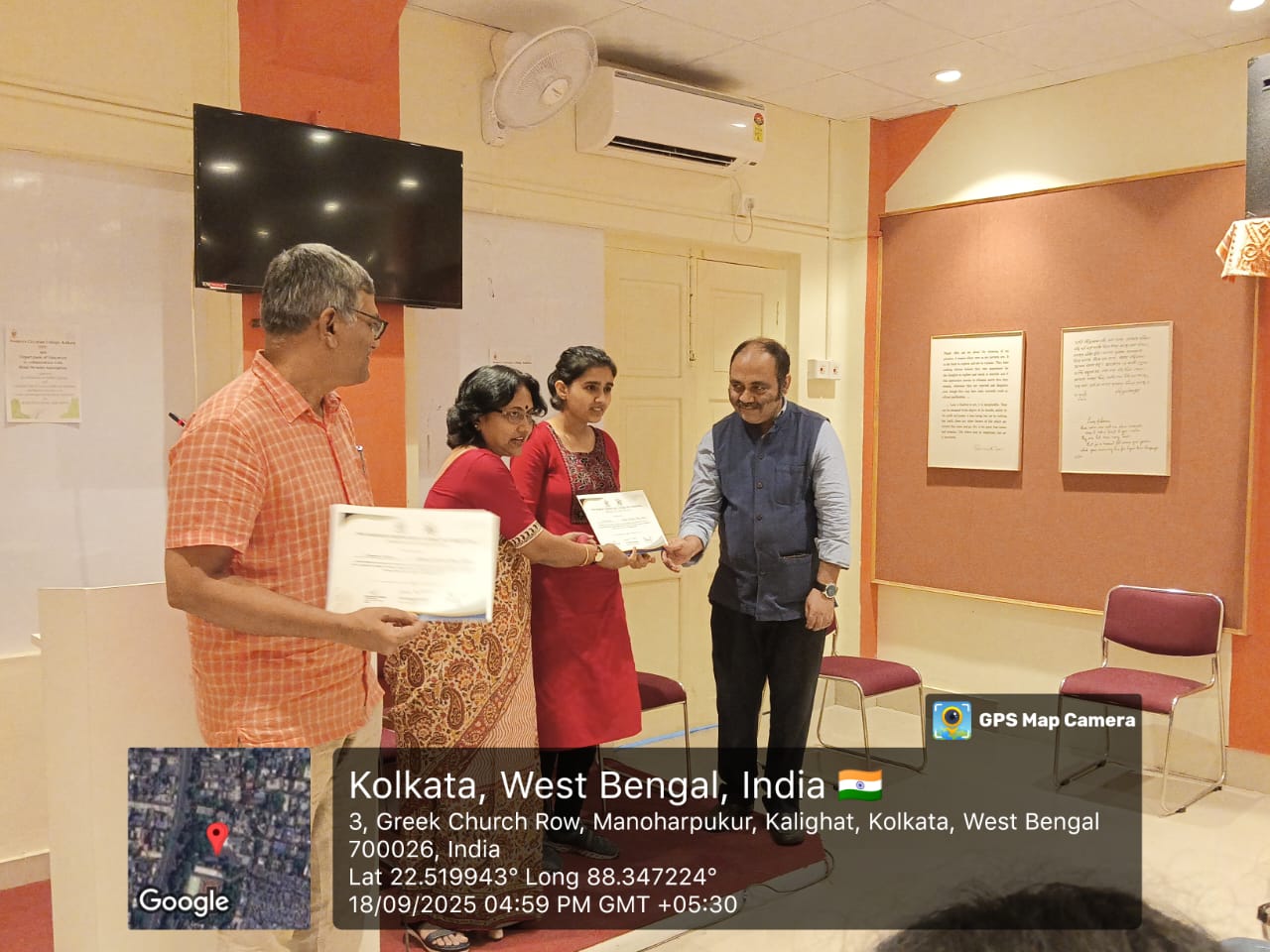
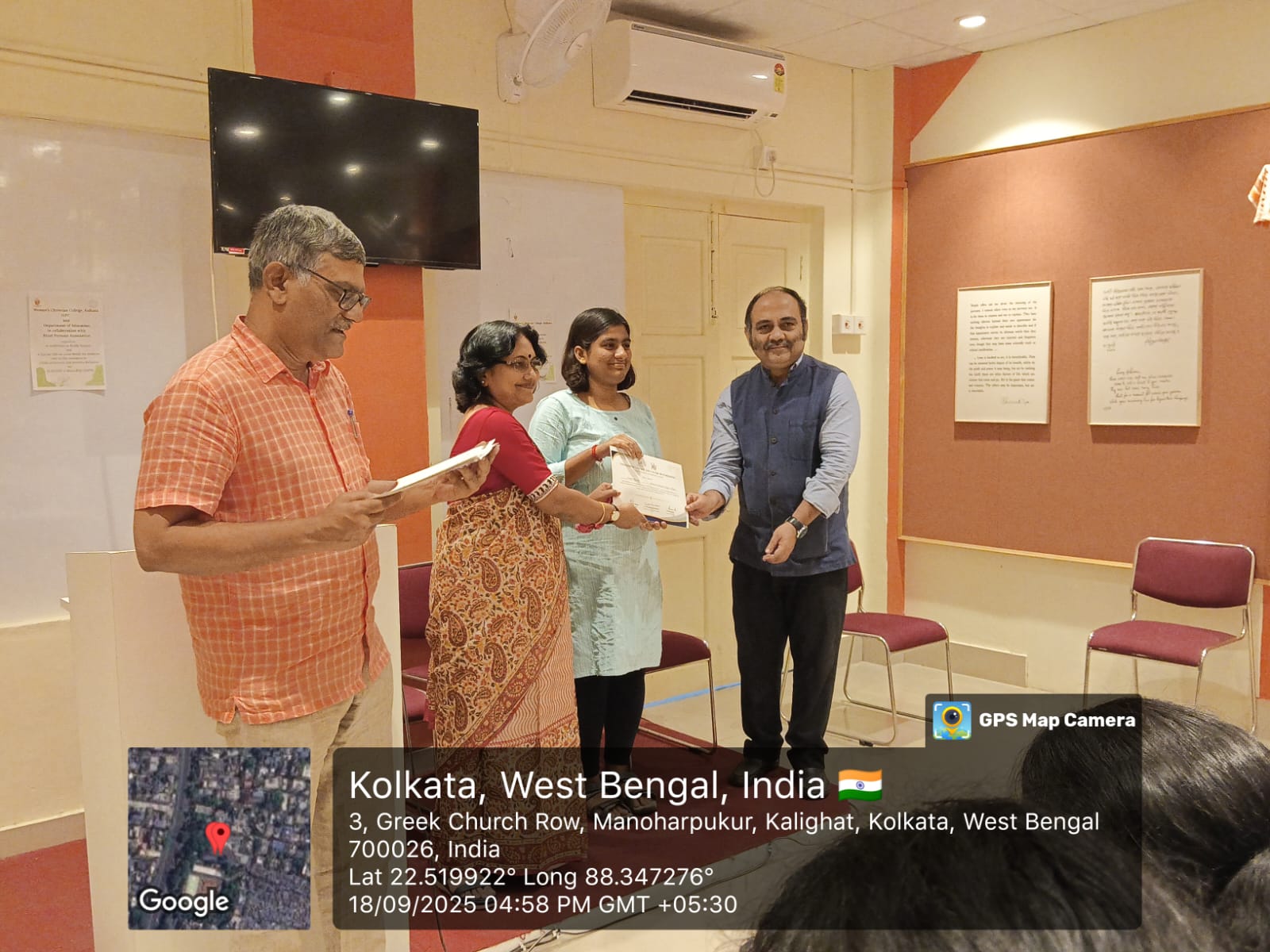
The students also participated in the evaluation test and after successful evaluation, the participants were offered Course-Completion certificates by the guest of honour and our Honourable Principal Madam. The certificate distribution programme was conducted by Dr. Jaya Mukherjee, Associate Professor and Head, Department of Economics, St. Paul’s C. M. College..
With a thanks note the Valedictory session came to an end. Everyone associated with the entire course happily agreed to conduct this in coming years also.

Dr. Sudeshna Biswas (Associate Professor of Economics)
- 2025 held on 22nd June at Thimphu,Bhutan.


Academic Visit at Indian Instituteof Foreign Trade


Gauri De Das
Former Head, Department of Economics
Lady Brabourne College
1998
Dr. Sanchita G Chowdhury
Associate Professor & Head
Department of Economics, XITE Gramharia

2007
Rajyasri Chakrabarty
SACT I, Sivnath Sastri College

2009
Dr. Debarati Das
Assistant Professor, Department of Economics
Kandra College, Paschim Bardhaman

2016
Rimjhim Roy
Assistant Teacher, Lions Calcutta (Greater) Vidya Mandir

2020
Depannita Ghosh
Research Analyst, National Council of Applied Economic Research

2021
Subarna Roy Chowdhury
Doctoral Student in South Asian University, New Delhi

1998
Swatilekha Maiti
Director – Business Operations, Experience & Analytics at Microsoft

2012
Hurshita Das
Territory Manager, IDFC First Bank

2015
Relansi Gupta
Consultant, Frost & Sullivan, Chennai

2017
Bipasa Banerjee
Doctoral Student in the Department of Sociology at the University of Texas at Austin

2017
Priyanka Mukherjee
Self-Employed with Distributorship of Text Books

2018
Shivangi Pandey
Cloud Financial Analyst II at Thermofisher Scientific

2018
Shreshtha Sarbadhyaksha
Data Analyst at Heineken
| Sl No | Title | Notice View |
|---|
Dr. Mausumi Kar (Head of the Department):
Successfully completed the ICSSR-sponsored Research Project on “Digital Banking: An Assessment of Financial Inclusivity in Indian Sundarbans” in the capacity of a Project Director in collaboration with Diamond Harbour Women’s University, South 24Pgs, West Bengal.
Dr. Sudeshna Biswas (Associate Professor of Economics)
Supervised a Doctoral level Research work (Ph.D, awarded in 2022) entitled “Employment Pattern, Gender Issues and Wage Differentials in the Organized Manufacturing Sector of India” of Vidyasagar University, Midnapore, WB, India.
1. “Socialism, Capitalism and the Emerging Indian Context” (1998) – Published in an edited volume (ed. Dr R.K. Sen) – Market Capitalism and Socialism, The Emerging Scenario, IIDS Publications (ISBN: 81-86015- 04-3).
2. “Towards Banking Excellence – Need for Improved Management” (2001) – Published in an edited volume (ed. Prof A. Banerjee & Prof. S. K. Singh) – Banking and Financial Reforms in India, Deep & Deep Publications Pvt. Ltd (ISBN: 81-7629-266-4).
3. “Beyond Globalisation: The Nature and Consequences of Economic Reforms for India’s Economy” (2004) – Published in an edited volume (ed. Dr. Clem Tisdell), Globalisation and World Economic Policies: Effects and Policy Responses of Nations and Groupings, Serial Publications, New Delhi (ISBN: 81-86771-81-6).
4. “Making Growth More Inclusive: Role of SSI, Women Empowerment and Employment in West Bengal” (2009) – Published in Management Vision for Business and Education: A Half-Yearly Journal on Management and Education, Vol.1, No.1, Jan – June (ISSN: 2347-727X).
5. “A Study of Tourism Development in India and the World” (2009) – Published in Management Vision for Business and Education; Vol.1, No.2, July-Dec (ISSN: 2347-727X).
6. “WTO and Indian Economy: A Critical Analysis” (2009) – Published in an edited volume (ed. Raj Kumar Sen and John Felix Raj), WTO and Asian Union – Deep & Deep Publications Pvt. Ltd. New Delhi (ISBN: 978-81-8450-205-3).
7. “Agrarian Changes in West Bengal and Bangladesh: Before and After Partition” (2009) – Published in an edited volume (ed. Dr. Manisha Deb Sarkar) – Geo – Political Implications of Partition in West Bengal – K.P. Bagchi & Company, Kolkata (ISBN: 978-81-7074-321-7).
8. “Entrepreneurship, Self-Employment and Economic Development – A Critical Analysis” (2012) – Published in Management Vision for Business and Education; Vol.4, No.1, January – June (ISSN: 2347-727X).
9. “Poverty Reduction and Agricultural Performance: Indian Experience” (2014) – Published in The Indian Economic Journal (Peer Reviewed), Special Issue, December (ISSN 00194662). “Food, Sustainability and Agricultural Growth in India”, (2016) – Published in Management Vision for Business and Education; Vol.8, No.3, July – December (ISSN: 2347-727X).
10. Moral Capital: Survival Strategies of the Rural Poor”, (2017) – Published in Proceedings of the International Conference on “Moral Capital and Enterprise Operation”, organized by China Association for Ethical Studies, Nanjing Normal University, held on April 15-16, 2017 at Nanjing China.
11. “Indian Economy – Multi-Development Goals and Future Challenges during the Planning Periods”, (2017) – Published in Twelfth Five Year Plan(ed.), S. K. Tandon, Shandilya Publications, New Delhi (ISBN: 978- 81-934725-6-9).
12. A Research paper titled “Poverty Reduction, Innovation and Agricultural Productivity in Developing Countries, presented at “Ethics, Innovation and Well-being in Business and the Economy”, presented in the Sixth World Congress of the International Society of Business, Economics and Ethics (ISBEE), held at Shanghai Academy of Social Sciences (SASS) from July 13- 16, 2016 in Shanghai, China, published in the International Conference Proceeding (Chinese Volume) edited by Professor Xiaohe Lu and Joanne Ciulla (ISBN 978-7-5520-2052-6).
13. A Chapter in Edited Volume: "Global Survey of Business Ethics, Teaching, Research & Training, 2022-24", Vol. 2: Asia, Australia, Russia & America, Edited by Bryan Robinson / Georges Enderle, Chapter 8: India, Globethics Global Series No. 20, Globethics Publications, Geneva, 2024 (ISBN 978- 2-88931-594-0).
14. Global Survey of Business Ethics (GSBE) Reports 2022–2024 from Asia, Australia, and Russia— India (2025). Special Issue of the Asian Journal of Business Ethics (https://doi.org/10.1007/s13520- 025-00237-9). Springer Nature (Scopus Indexed).
1. The Problem of Child Labour and Social Sectors in India (2000) – Paper presented at the 83rd Annual Conference of IEA (National Level) which was held in University of Jammu, Jammu, December 30, 2000 to January 10, 2001.
2. Existence of Agriculture and Industry in the Development of the State of West Bengal (2001) – Paper presented in an International Seminar of IIDS in collaboration with Center for Need Economy (USA) at Golpark, Ramakrishna Mission Institute of Culture, Kolkata, February 24.
3. Indian Agriculture Growth and Globalisation – A Search for Welfare (2001) -Paper presented at the 84th Annual Conference of IEA (National Level) which was held on 27th to 29th December, at Vellore Engineering College, Tamilnadu.
4. International Market Economy, Competitive Society and Indian Business Leaders – A Great Challenge in the 21st Century (2002) – Paper presented in the 85th Annual Conference of IEA (National Level) which was held on December 27-29, Department of Economics, University of Kerala.
5. Interlinking of Rivers in India: A Critique (2004) – Paper presented in the 87th Annual Conference of IEA (National Level) which was held on December 21-23, 2004, Department of Economics, Banaras Hindu University, Varanasi.
6. Microfinance: A New Path of Development (2008) – Paper presented in Inter-Disciplinary Lecture Series, organized by Women’s Christian College, Kolkata on 16th March, 2008 (College Level).
7. Regional Disparities in Poverty Incidence – An Analysis Based on NSS Data (2008) – Paper presented in the 91st Annual Conference of Indian Economic Association (National Level), organized by Department of Economics, Mohanlal Sukhadia University, Udaipur, Rajasthan, held at Udaipur during December 27-29, 2008.
8. Agrarian Institutional Reforms, Agricultural Productivity and Rural Poverty in West Bengal – A Micro – Level Study (2009) – Paper presented in the 92nd Annual Conference of Indian Economic Association (National Level), organized by School of Management KIIT University, Bhubaneswar, Orissa during 27 – 29 December, 2009.
9. Agricultural Growth Deceleration in India: An Enquiry (2013) – Paper presented in the 96th Annual Conference of Indian Economic Association (National Level), organized by Meenakshi University, Kanchipuram, Chennai, Tamilnadu during December 27-29, 2013.
10. Poverty Reduction and Agricultural Performance: Indian Experience (2014) – Paper presented in the 97th Annual Conference of Indian Economic Association (National Level), organised by Mohanlal Sukhadia University, Udaipur, Rajasthan during December 27-29, 2014.
11. Preventive Archaeology – The State’s Role and Economic Crisis with Special Reference to Southeast Asia (2015) – Presented in Panel-24: Archaeology, Heritage and Management: The Changing Scenario with Special Reference to Southeast Asia, of the EURASEAA15: 15th International Conference of the European Association of Southeast Asian Archaeologists, held at the University of Paris-Ouest Nanterre La Defense, Nanterre, Paris, France, from 6 – 10, July 2015.
12. Poverty Reduction, Innovation and Agricultural Productivity in Developing Countries (2016) – Presented at “Ethics, Innovation and Well-being in Business and the Economy”, the Sixth World Congress of the International Society of Business, Economics and Ethics (ISBEE), held at Shanghai Academy of Social Sciences (SASS) from July 13-16, 2016 in Shanghai, China.
13. Delivered an Invited Lecture on “Moral Capital: Survival Strategies of the Rural Poor” in an International Symposium on “Moral Capital and Enterprise Operation”, organized by China Association for Ethical Studies, Nanjing Normal University, held on April 15-16, 2017 at Nanjing, China.
14. Delivered an Invited Lecture on “Demonetization in Rural India” as Resource Person in a National Seminar on “Demonetization in India: The Road Ahead”, organized by School of Social Sciences, Punjabi University, Patiala, held on March 21 – 22, 2017.
15. Delivered an Invited Lecture as Resource Person on “Impact of GST on Indian Economy with special reference to MSEs and Small Exports” at the Annual National Workshop of Avadh Economic Association, Faizabad held on 9-10, October, 2017 at Dr. Ram Manohar Lohia Avadh University, Faizabad.
16. Delivered an Invited Lecture on “Agro-based Food Processing Industries in the North Eastern States of India: Challenges and Constraints”, in a ICSSR Sponsored National Seminar organized by Department of Economics, Dakshin Kamrup College, Mirza, Assam in collaboration with Guwahati University, Indian Economic Association and Rastriya Gramin Vikas Nidhi, held on 20th and 21st April, 2018.
17. Paper titled “Indian Agrarian Crisis – Farmers’ Suicides” was presented in the 102nd Annual Conference of Indian Economic Association, held on December 27 – 29, 2019 at Auro University, Surat, Gujrat.
18. Paper titled “Rethinking India’s Battles against Chronic Agrarian Crisis – Challenges and Policy Choices” was presented in the 104th Annual Conference of Indian Economic Association, held on December 25 – 27, 2021 at Atal Bihari Vajpayee Institute of Good Governance & Policy Analysis, Bhopal, Madhya Pradesh.
19. Paper titled "The Ethical Dimension of Microfinance" was presented in the 7th ISBEE World Congress on Re-inventing Globalization - Community, Virtues and Power of Purpose", held on July 20-21, 2022 at University of Deusto, Bilbao, Spain.
20. Paper titled "Medical Tourism and Well-being in Asia" was presented in the 10th National Social Science Congress, held on July 27-29, 2023 at Silliman University, Dumaguete City, Negros Oriental, Philippines.
21. Paper titled “India’s Battles against Agrarian Crisis – Targets and Challenges” was presented in the 107th Annual Conference of Indian Economic Association, held on December 21 – 23, 2024 at Maharishi Markandeshwar (Deemed to be) University, Mullana, Ambala, Haryana.
22. Paper titled "The State of the Indian Pharmaceutical Industry: From Generics to Global Leadership" was presented in the 108th Annual Conference of Indian Economic Association, held on December 21 – 23, 2025 organized by Department of Economics Osmania University, Hyderabad, Telangana.
23. Presented the Report of Business Ethics in India and participated in the conversations with reporters of other Asian countries on “What can we learn from each other?” and “How should we advance business ethics in Asia?” in the international conference on “Business Ethics in Asia” on March 8-10, 2026, at the Ateneo de Manila University, Quezon City, Philippines.
Dr. Arnab Majumdar (Assistant Professor of Economics)